Modern Home Office Ideas for a Productive Workspace
Lifestyle
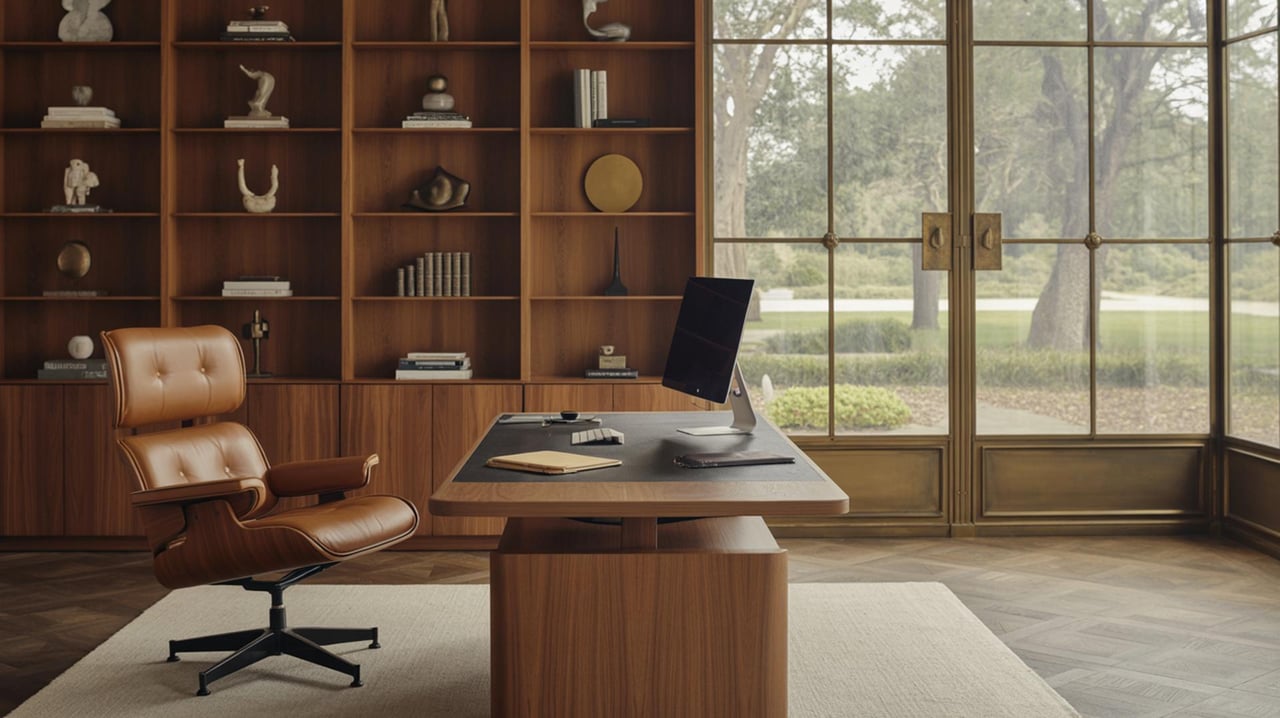
Lifestyle
Select a quiet zone with minimal distractions — a spare bedroom, loft, or even a nook under the stairs. Natural light improves mood and focus, so if possible, place your desk near a window (but angle your screen to avoid glare). A frosted or sheer shade lets you enjoy daylight while keeping your monitor visible.
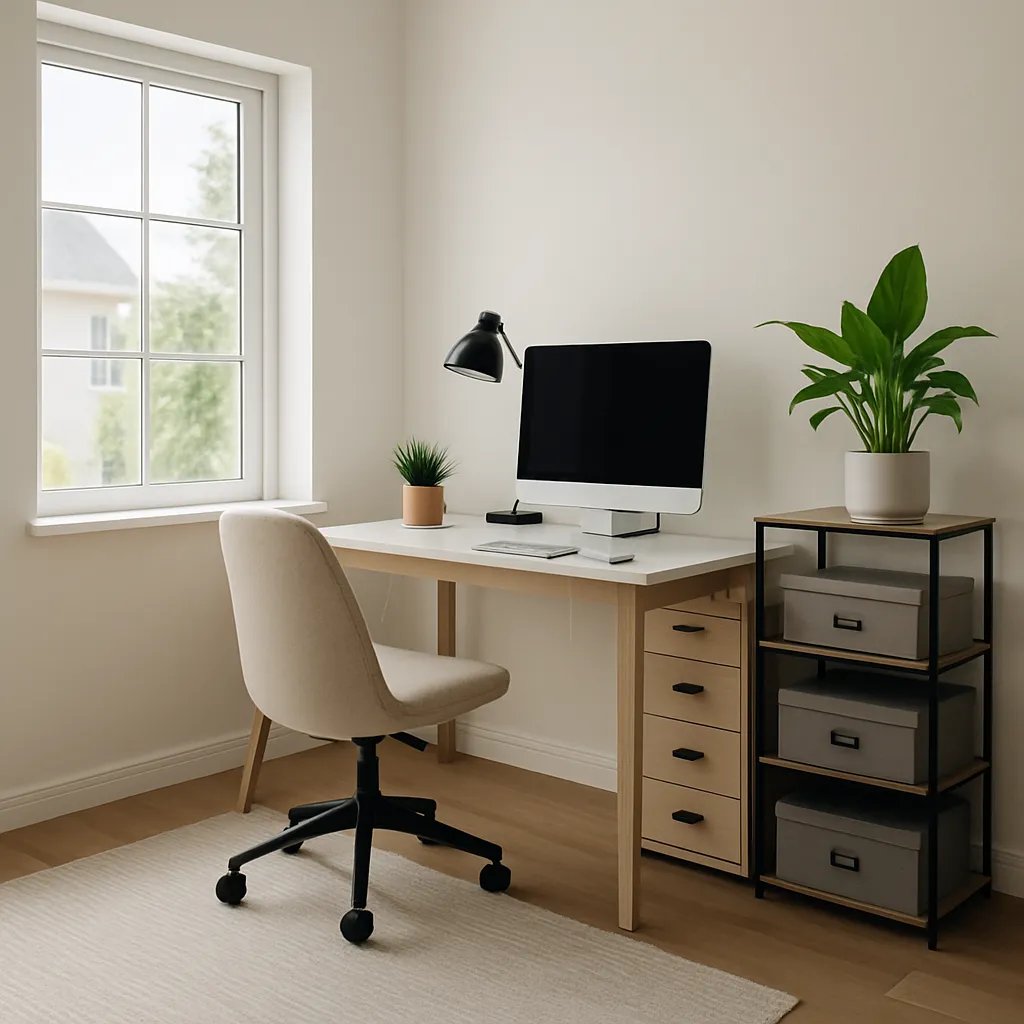
Invest in a chair with lumbar support and an adjustable desk so you can alternate between sitting and standing. Keep your monitor at eye level and your elbows at 90°; this reduces neck strain and supports your posture. Need a step-by-step guide? See Mayo Clinic’s office ergonomics article and OSHA’s Computer Workstations eTool for checklists and diagrams.
Visual clutter competes with your attention. Use vertical shelving, closed cabinets for bulky gear, and labeled bins for cables and files. Keep your desktop clear except for daily essentials: laptop or monitor, task lamp, notebook, and a small plant or picture.
Blend ambient light (ceiling or wall), task light (adjustable desk lamp), and subtle accent lighting. OSHA recommends task lighting to reduce contrast near screens; use a desk lamp with a neutral-white bulb (around 4000K to 5000K) for accurate colors and reduced eye strain.
Home offices can pick up echoes and background noise. Add a rug, curtains, or acoustic panels to absorb sound. A white noise machine or fan can mask distracting sounds, and noise-canceling headphones let you focus during calls or deep work.
Choose decor that inspires you without cluttering the view. A gallery wall or floating shelf with art, family photos, or travel souvenirs brings warmth; a vision board keeps goals top of mind. Stick to a cohesive color palette for calm; add pops of color through pillows or small accessories.
Soft blues promote calm and focus, greens restore balance, and a dash of yellow sparks creativity. If you’re on video often, paint the wall behind you a neutral matte tone so it won’t compete on camera. Accent chairs or accessories can carry bolder colors without overwhelming the room.
Set boundaries with household members, silence non-urgent notifications, and use dedicated software for blocking distracting sites during deep work. Keep non-work items out of sight and set specific work hours to help you mentally separate home and office.
Plants like snake plant, pothos, ZZ plant, or succulents improve air quality and reduce stress. Cluster two or three in a triangular arrangement for a tidy look. If you have a black thumb, even a high-quality faux plant can bring life to your workspace.
No spare room? Convert an underused closet or nook into a workstation with a wall-mounted desk or fold-down table. Add vertical storage above and a rolling file cabinet below. Use a curtain or barn door to hide your office when not in use and maintain visual calm.
Your setup should reflect how you work: create a backdrop for video calls with art or a bookshelf; a second chair for guests or a coworker; and a flexible area that lets you stand, stretch, or collaborate. Keep a basket nearby with chargers, pens, and sticky notes so you don’t have to leave your zone mid-flow.
In today’s market, a designated office, flex room, or convertible loft is high on buyers’ wish lists. Thoughtful built-ins, good lighting, and clear separation from living areas can increase your home’s appeal and resale value. If you’re considering converting a bedroom into an office or adding a backyard studio, let’s review local comps to make sure you’re investing wisely.
A thoughtfully designed home office boosts productivity and enhances property appeal. If you’re looking for a house with a flex room, loft, or den—or want advice on upgrades before listing—reach out for a consultation.

*All real estate information is deemed reliable but not guaranteed. Lic. #01329012. This article provides general tips and does not constitute medical or legal advice. For personalized workspace or ergonomic recommendations, consult a qualified professional.
Stay up to date on the latest real estate trends.

March 6, 2026
From Kite Hill's $140/month flat fee to Bear Brand Ranch's guard-gated premium — here's exactly what HOA dues look like across every major Laguna Niguel neighborhood, … Read more

March 4, 2026
From resort-style amenities and top-rated schools to real estate prices and trail access to the beach — everything you need to know before buying in Marina Hills.

February 25, 2026
Everything you need to know about neighborhoods, schools, beaches, dining, and the real estate market in Orange County's most coveted coastal village.

February 20, 2026
A buyer's guide to neighborhood HOA dues, Lake Mission Viejo Association (LMVA) assessments, and what you'll really pay each month in Mission Viejo, CA.

February 18, 2026
Lake access, panoramic views, private amenities, and what buyers should know before moving in

February 13, 2026
A local breakdown of HOA fees, Mello-Roos taxes, and real monthly costs across Irvine neighborhoods

February 11, 2026
Living in Woodbury, Irvine: Homes, HOAs, and What Buyers Should Know

February 8, 2026
Neighborhoods, schools, home prices, and lifestyle insights from a local Irvine real estate expert

November 28, 2025
Explore Aliso Viejo’s best pet-friendly parks, trails, services, and neighborhoods for dogs, cats, and every furry family member.
You’ve got questions and we can’t wait to answer them.