Mission Viejo HOA Fees & Lake Membership Costs Explained
Mission Viejo

Mission Viejo
By Natalie Boyle, REALTOR®, Founder of Verso Homes (DRE #01329012)
If you're buying a home in Mission Viejo, the sticker price is only part of the story — HOA fees and Lake Mission Viejo membership costs can add hundreds of dollars to your monthly budget, and many buyers don't discover this until they're deep in escrow. Having helped dozens of families navigate Mission Viejo's master-planned communities over the past 15 years, I know firsthand how confusing these layered fees can be. This guide breaks down exactly what you'll pay, what you get in return, and how to factor these costs into your home-buying decision with confidence.
Mission Viejo is one of the largest master-planned communities in the United States, and that carefully designed lifestyle comes with an equally structured set of fees. Nearly every home in the city sits within at least one Homeowners Association — and many properties belong to two or even three layers of governance simultaneously: a neighborhood sub-association, a master association, and the Lake Mission Viejo Association (LMVA).
Each HOA has its own board, its own CC&Rs (Covenants, Conditions & Restrictions), and its own monthly assessment. These fees are not optional. When you purchase a home inside an HOA-governed community, you automatically become a member and are legally obligated to pay dues as part of your purchase agreement. Understanding this layered structure before you make an offer is one of the smartest moves any buyer can make.
The City of Mission Viejo does not govern HOAs directly — that falls to each association's board and, in many cases, a professional management company. This means fee structures, rules, and services can vary significantly from one street to the next.
HOA fees across Mission Viejo's neighborhoods span a wide range depending on the amenities offered, whether the community is gated, and the age of the development. Here's what buyers should expect:
Older neighborhoods with minimal shared amenities — think basic landscaping of common areas and general upkeep — typically run between $100 and $200 per month. These communities offer less in terms of amenities but come with lower carrying costs, making them attractive to buyers focused on purchase price alone.
The sweet spot for most Mission Viejo neighborhoods falls in the $200 to $350 per month range. These communities often include a community pool, walking trails, landscaping of shared spaces, and trash service. Many properties in this tier are also LMVA-eligible, meaning lake access comes as a separate add-on (more on that below).
Guard-gated enclaves like Canyon Crest, Mission Viejo's premier lakefront gated community, carry HOA fees starting at $400 to $700+ per month. In exchange, residents receive 24-hour guard service, meticulously maintained grounds, lake access, and a heightened sense of privacy. Homes in Canyon Crest range from 2,800 to over 5,000 square feet and represent some of the most coveted properties in the city.
Casta del Sol, Mission Viejo's iconic 55+ guard-gated community, stands as a benchmark for what HOA dues can include. Monthly fees here run approximately $574 per month, which covers front yard maintenance, exterior painting, security patrols, two full recreation centers, pools, pickleball courts, and a packed social calendar. An additional ~$28/month goes toward Lake Mission Viejo Association membership, giving residents full lake access on top of everything else.
For a deeper look at life in this community, read our guide on what it's really like to live in Casta del Sol.

Lake Mission Viejo is a 124-acre private, man-made lake with 50 additional acres of recreational land — and access to it is one of the most coveted perks in South Orange County real estate. The Lake Mission Viejo Association (LMVA) membership overview explains that membership is tied permanently to eligible properties, not to individual owners. This means when you buy an LMVA-eligible home, lake access transfers to you automatically — and when you sell, it passes to the next buyer.
Here's the current fee structure directly from the LMVA assessments and fees page:
These fees are separate from any neighborhood HOA you may also belong to. Most LMVA-eligible homes carry both a neighborhood assessment and the LMVA assessment as distinct line items on your monthly obligations.
The real question for buyers is: what do you actually get for roughly $32/month? Quite a lot, as it turns out. LMVA members have access to one of the most enviable private recreational facilities in Orange County, including:
Not every home in Mission Viejo qualifies for LMVA membership. The association's CC&Rs define exactly which neighborhoods and properties are eligible, so it's worth verifying LMVA status early in your home search.
Beyond the lake, neighborhood HOA fees in Mission Viejo typically fund a combination of the following, depending on the community:
Some communities also bundle services like internet, cable, or private road maintenance into their dues. Always review the CC&Rs and financial statements carefully so you know exactly what your money covers — and just as importantly, what it doesn't.
In addition to regular monthly dues, Mission Viejo homeowners may encounter special assessments — one-time charges levied by the HOA to cover unexpected or major repairs that weren't fully funded by the reserve account. These can range from a few hundred dollars for minor repairs to several thousand dollars for larger projects like repaving roads or replacing aging infrastructure.
A healthy reserve study is your best indicator of whether a community is likely to hit you with a surprise assessment. Ask your agent to request this document before you close. California law requires HOAs to provide it, and it tells you what percentage of needed reserves are actually funded. Anything below 70% is worth examining closely.
When I walk buyers through the numbers, most are surprised to find that HOA fees in Mission Viejo often represent genuine value. Consider what a comparable lifestyle would cost if you were financing it independently: private pool maintenance alone can run $150–$200 per month, a gym membership adds $50–$100, and private security is out of reach for most budgets. When HOA fees bundle all of this together — plus reserve fund contributions, landscape maintenance, and lake access — the math often tips in favor of HOA living.
There's also the property value argument. Mission Viejo's top neighborhoods consistently hold value better than comparable communities without HOAs, in part because well-funded associations enforce appearance standards and maintain shared infrastructure. In a city where the median home price hovers near $1M, that long-term value protection matters.
That said, HOA fees are non-negotiable and non-optional. They also qualify as a monthly obligation that mortgage lenders factor into your debt-to-income ratio, so be sure your lender knows the full fee picture when you're getting pre-approved.
When planning your budget, add up all layers of HOA and association fees that apply to the specific property you're considering. Here's a realistic example for an LMVA-eligible home in a mid-range Mission Viejo neighborhood:
For a luxury gated community like Canyon Crest with bundled LMVA access, you might instead be looking at $600–$700/month all-in. For a 55+ community like Casta del Sol, budget around $600/month combined. Knowing these totals in advance is essential to accurate affordability planning.
If you're weighing Mission Viejo against other active adult or family-friendly communities in South Orange County, our guide to the top 55+ communities in Orange County is a great starting point for comparison.
Before making an offer on any Mission Viejo property, make sure you can answer these questions:
California law entitles you to full HOA documentation before closing, including the budget, reserve study, financial statements, and governing documents. Your agent should request these as part of the standard disclosure package.
Navigating Mission Viejo's layered HOA landscape is exactly the kind of detail that separates a well-advised buyer from one who's caught off guard at closing. Whether you're drawn to the lakefront luxury of Canyon Crest's gated estates, the resort-style living of Casta del Sol, or a family-friendly neighborhood with access to the lake, understanding the true cost of ownership from day one is critical.
If you're thinking about selling a Mission Viejo home, knowing how to position HOA fees as a feature rather than a cost is equally important. Our guide on how to list your Canyon Crest property for maximum value walks through exactly how we do that for our seller clients.
HOA fees in Mission Viejo typically range from $100 to $700+ per month depending on the community. Basic neighborhoods with minimal amenities start around $100–$200/month. Most mid-range suburban communities fall between $200 and $350/month. Luxury guard-gated communities like Canyon Crest run $400–$700+/month, and the 55+ community of Casta del Sol is approximately $574/month, which includes an extensive list of services and amenities.
The 2026 Lake Mission Viejo Association (LMVA) semi-annual assessment is $193.00, due January 1 and July 1, for a total of $386 per year (approximately $32/month). There is also a one-time $300 escrow transfer fee when you purchase an LMVA-eligible property. These dues are separate from any neighborhood HOA fees you may also owe.
No. Lake Mission Viejo membership is only available to properties whose CC&Rs include LMVA eligibility. Most, but not all, single-family homes and condominiums originally built by the Mission Viejo Company are eligible. Always confirm LMVA membership status with your real estate agent before making an offer, as it significantly affects both lifestyle value and total monthly costs.
Yes. LMVA membership is permanently tied to the property, not the individual owner. When you sell an LMVA-eligible home, membership automatically transfers to the new buyer. It cannot be cancelled or opted out of — it is a permanent condition of ownership established in the property's CC&Rs.
LMVA membership provides access to two lifeguard-patrolled private beaches (Playa del Norte and Playa del Este), boat rentals including kayaks and party boats, the beloved summer lakeside concert series, fishing in a stocked lake, a 2,500 sq. ft. clubhouse available for private events, and access to lakeside restaurants and retail shops via the Market Dock.
Generally, HOA fees on a primary residence are not tax deductible in California or at the federal level. However, if the property is used as a rental, HOA dues may be deductible as a rental business expense. Always consult a qualified tax professional for advice specific to your situation, as tax rules can change.
A special assessment is a one-time charge levied by an HOA to fund major repairs or improvements not covered by the regular reserve account. They can range from a few hundred to several thousand dollars per homeowner. To gauge the likelihood of a special assessment, request the HOA's reserve study before closing — a reserve fund funded below 70% of its target is a warning sign worth investigating.
Mortgage lenders include HOA dues in your total monthly debt obligations when calculating your debt-to-income (DTI) ratio. This means high HOA fees can reduce the purchase price you qualify for. If a property has multiple HOA layers — such as a neighborhood association plus LMVA — make sure your lender has the combined total before issuing your pre-approval letter.
Before closing, California law requires sellers to provide a full HOA disclosure package. You should review the current budget, the most recent reserve study, financial statements, CC&Rs, bylaws, meeting minutes from the past 12 months, and any notices of pending special assessments or litigation. Your agent should request all of these as part of your standard contingency period.
Older neighborhoods built in the 1970s and 1980s with fewer shared amenities tend to have the lowest HOA fees, often in the $100–$200/month range. If keeping monthly carrying costs low is a priority, focus your search on communities without guard gates, resort-style pools, or extensive common area landscaping. A local agent familiar with Mission Viejo's neighborhoods can help you identify which communities fit your budget and lifestyle goals.
*HOA fees, LMVA assessments, and community details are subject to change. All figures cited reflect publicly available information as of early 2026. Buyers should verify all fees directly with the relevant associations and review the full HOA disclosure package prior to purchase. This content is for informational purposes only and does not constitute financial or legal advice.

Stay up to date on the latest real estate trends.
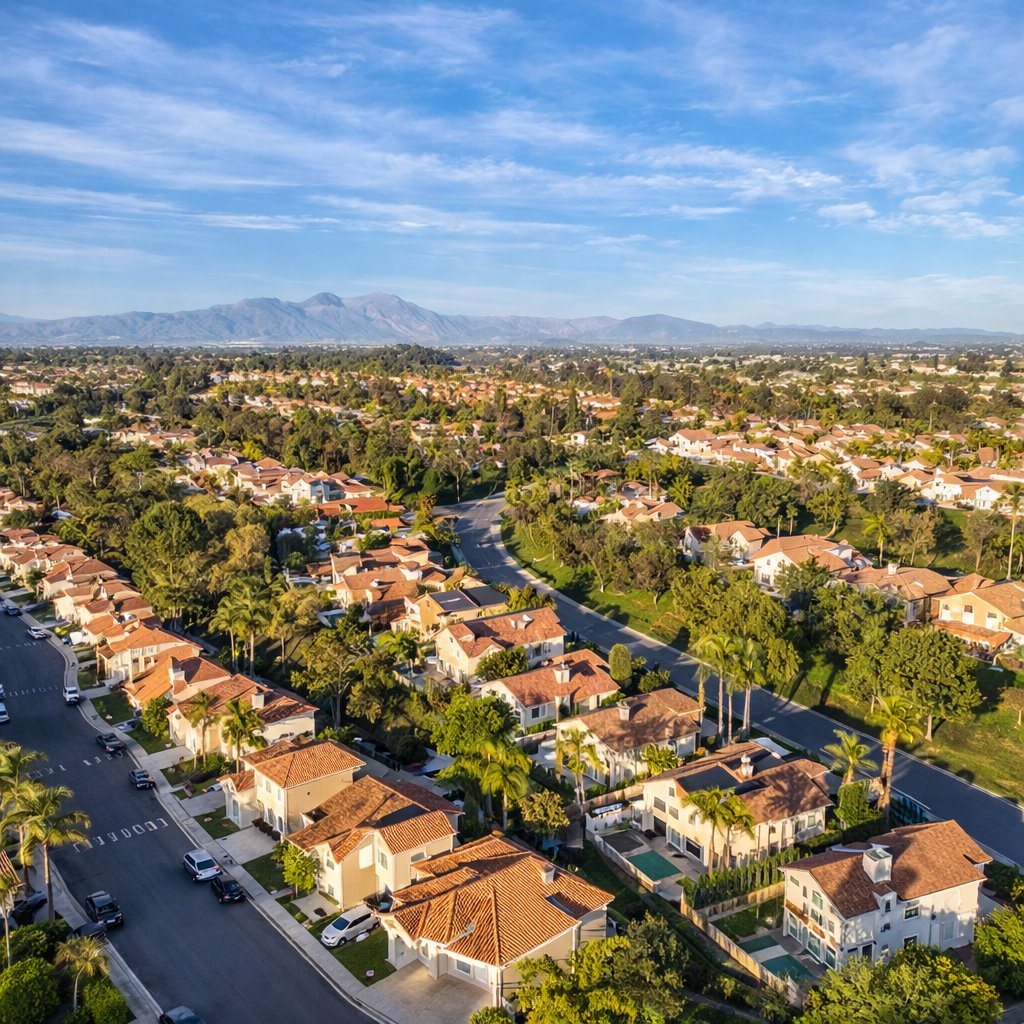
March 6, 2026
From Kite Hill's $140/month flat fee to Bear Brand Ranch's guard-gated premium — here's exactly what HOA dues look like across every major Laguna Niguel neighborhood, … Read more

March 4, 2026
From resort-style amenities and top-rated schools to real estate prices and trail access to the beach — everything you need to know before buying in Marina Hills.

February 25, 2026
Everything you need to know about neighborhoods, schools, beaches, dining, and the real estate market in Orange County's most coveted coastal village.
February 20, 2026
A buyer's guide to neighborhood HOA dues, Lake Mission Viejo Association (LMVA) assessments, and what you'll really pay each month in Mission Viejo, CA.
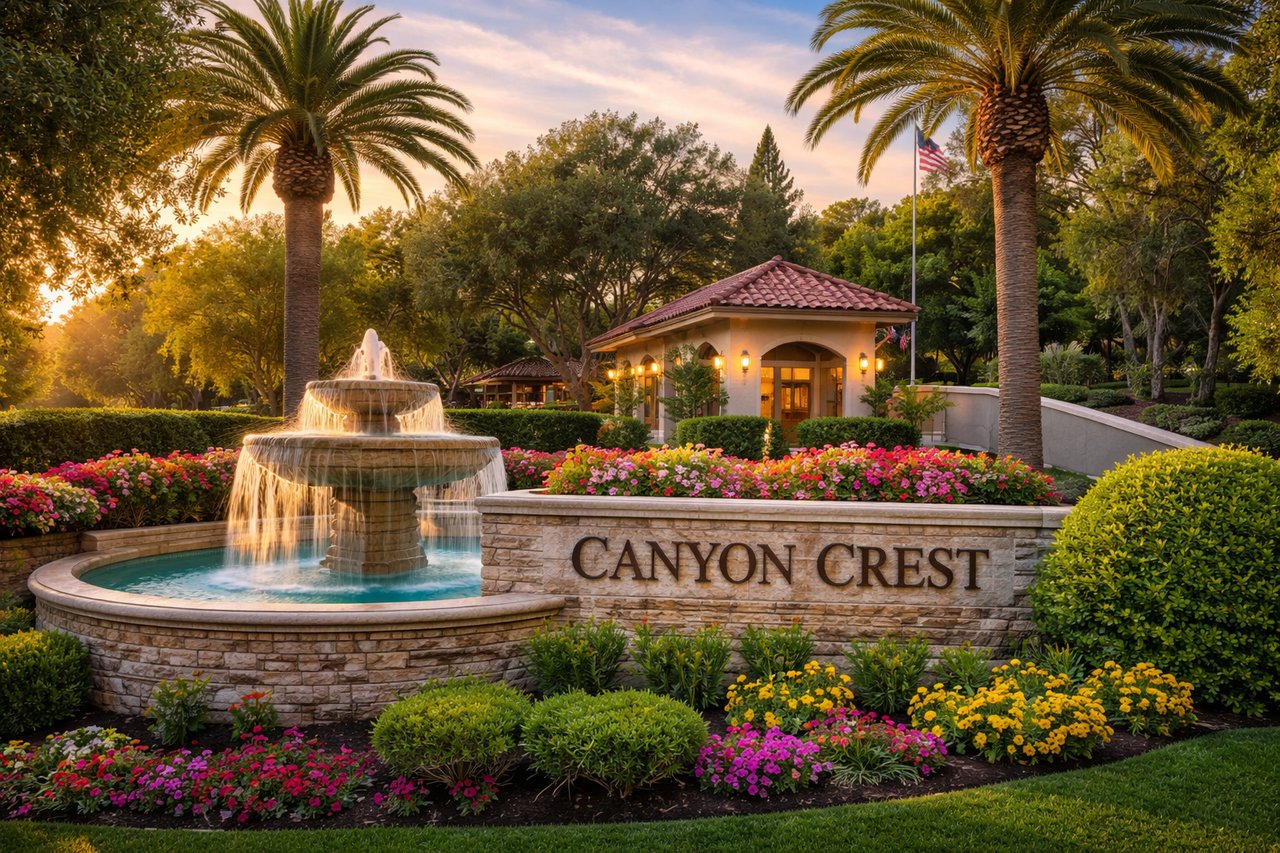
February 18, 2026
Lake access, panoramic views, private amenities, and what buyers should know before moving in

February 13, 2026
A local breakdown of HOA fees, Mello-Roos taxes, and real monthly costs across Irvine neighborhoods
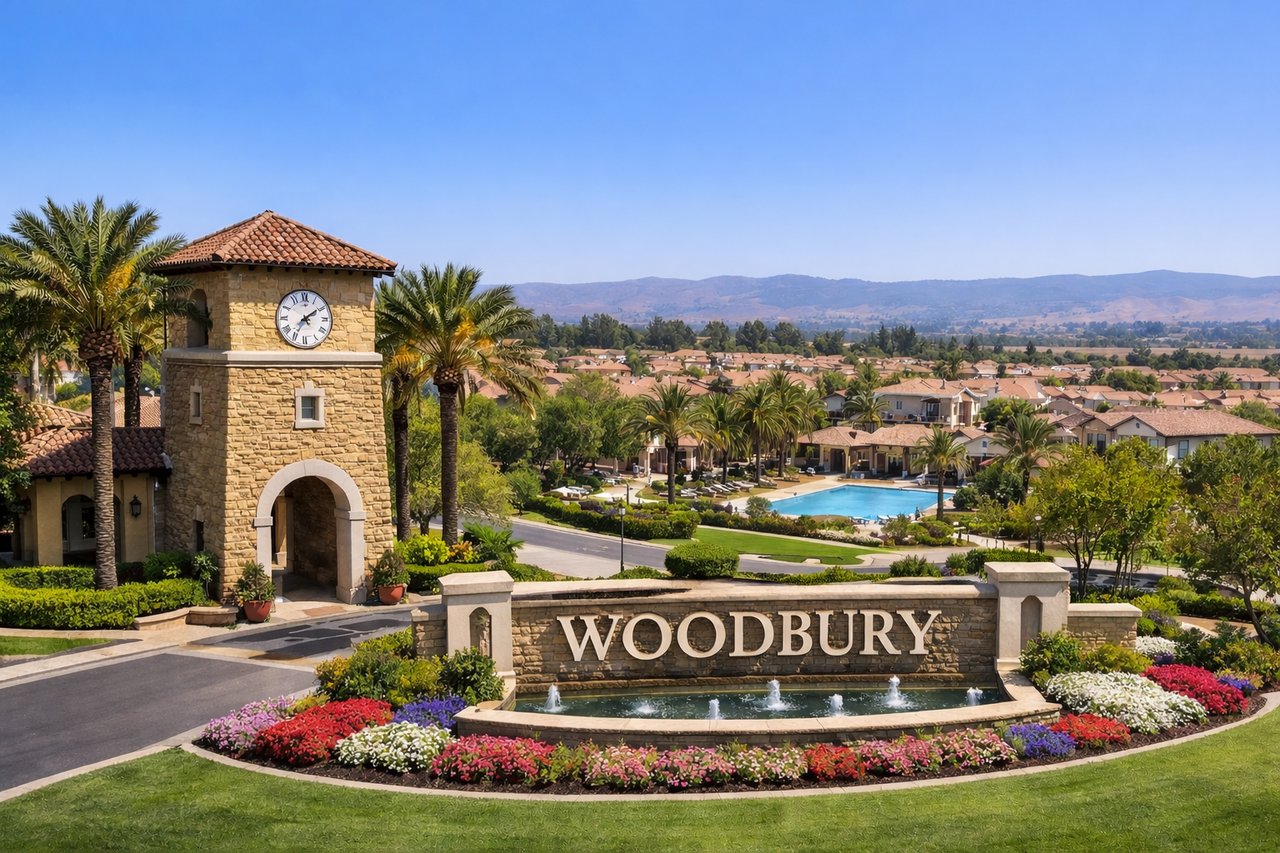
February 11, 2026
Living in Woodbury, Irvine: Homes, HOAs, and What Buyers Should Know

February 8, 2026
Neighborhoods, schools, home prices, and lifestyle insights from a local Irvine real estate expert

November 28, 2025
Explore Aliso Viejo’s best pet-friendly parks, trails, services, and neighborhoods for dogs, cats, and every furry family member.
You’ve got questions and we can’t wait to answer them.